The Creator Is Overrated

The Creator Is Overrated

Why intent, authorship, and “authenticity” of musical output matters far less than people think

A post about whether an AI clone was a Monet kicked this off, but the reaction to it said more about how people think about musical output than about AI itself. ref: https://x.com/memoakten/status/2055698163420598567

The debate is pointed at the wrong thing

If that headline makes you think I’ve forgotten what a real band sounds like in a cramped bar at 1 a.m., relax. I haven’t. Hear me out.

People argue about who made a piece of music. Human or AI. Composer or model. Genius or algorithm. The whole conversation leans on the idea that the identity of the maker is the heart of the experience. It never has been.

Strip away the social noise and you are left with something very simple. A sound either reaches you or it doesn’t. Everything wrapped around it is extra.

Nature has been composing longer than we have

Windchimes make the point clearly. They can be crafted by someone with skill, or they can be two branches tapping together in the wind. Either version can stop you for a moment. Either version can feel intentional. Either version can carry meaning. The reaction is real regardless of the source.

Nature has been generating sound long before humans appeared. Water, wind, insects, storms. None of it carries intention or authorship, yet people build memories and emotional states around those sounds. They treat them as if someone shaped them on purpose. This is how perception works.

Our minds fill in the rest

Human perception is built to find patterns even when nothing was planned. We attach intention to things that never had any. We treat noise as if it were composed. This comes from the way our minds work, and cognitive bias plays a big part in it. We lean toward meaning even when none was offered, and once that switch flips, the sound feels personal whether it was shaped by a person, a machine, or the weather.

The social distortion field

This is where the panic around AI music reveals itself. People are not frightened by the idea of AI making sound. They are frightened by the loss of the social scaffolding that tells them what to value. The tortured‑artist myth. The brand. The scene. The commercial machinery that decides what counts as “real.” Cognitive bias shows up here as well, but at a group level. People reinforce each other’s beliefs about authenticity, status, and taste until the social story feels more real than the sound itself.

Music has been twisted by social forces long before AI arrived. Status games. Taste policing. Commercial pressure. Scene politics. The constant need to signal identity through what you listen to. None of this has anything to do with the direct experience of sound.

Player Piano


Of course the creator is not overrated if you have bonded with them. People build whole identities around the artists they follow. But that bond depends on the story staying intact. When it breaks, the reaction is instant. Think of Milli Vanilli. The music didn’t change at all, but the story collapsed and people turned on them overnight. That is how fragile the creator’s role really is. The sound stays the same. The story is what people punish or protect.

The hierarchy collapses

When you listen alone, the whole structure falls apart. Human, AI, nature. None of it matters. The only thing that survives is the emotional response. Everything else is a story built around it.

If a sound moves you, it works. If it doesn’t, it doesn’t. The source does not change that. The intention behind it does not change that. The label attached to it does not change that.

Yoko Pedal

Music lives in the space between the sound and the listener. Everything outside that space is decoration.

Human creation still matters

Human work still has weight. It is not pushed aside by nature or machines. What humans bring is range. They can combine instruments, sound toys, field recordings, synthetic textures, accidents, and deliberate structure into something layered. They can shape chaos or let it run. They can build something that carries their own sense of order or leave space for chance. This is not about defending human authorship. It is about placing human creation inside the same broad field as everything else that makes sound.

Every so‑called original idea is part of a long chain anyway, and human creation keeps evolving by borrowing, bending, and reassembling what came before.

A Brief History of Music


Humans also make AI slop

Humans are already using AI to churn out huge amounts of disposable material. Not because AI demands it, but because people will always take the quickest route to attention or money. This comes from human behavior, not from the technology.

The same instincts that built the ugliest corners of the music industry are now using AI as an amplifier. You can see it in the pop industry’s assembly‑line output, where tracks are shaped by metrics and retention charts instead of feeling. If someone wants to flood the world with garbage, they do not need AI to do it. AI simply increases the volume they can push into the world.

Crisis Karaoke is a counter example, which pushes the absurdity back at the world. I’m part of it, and working on it keeps showing me how intention shapes what gets made, even if the listener never needs to know who triggered the tool.

The financial reality

None of this erases the financial pressure that AI puts on creators. Photographers, illustrators, translators, copywriters, musicians, and many others are already feeling it. Ignoring that would be dishonest.

But this pattern is not new. Since the beginning of the music business, or any business for that matter, entire sectors have built their fortunes by extracting value from the people who actually make the work. AI is simply another tool that fits neatly into that long‑running habit. The real issue sits with the way the business is run, not the tool itself.

There is also the fact that AI models were trained on the sum of human work, much of it scraped without consent. That doesn’t change how a listener reacts to a piece of sound. It changes the economics behind it. The output still stands on its own, but the system that produces it leans heavily on uncredited human labor. That is where the real tension sits. The ear stays neutral. The business does not.

Where this argument applies

Everything in this piece has been about sound as output and how people perceive it. That’s the frame. It’s not a comment on the lived, mind–body–spirit discipline of a human playing through an energetic music interface. That’s a different domain entirely.

Music Toolbox

AI can imitate the sound that comes out, but it can’t touch the experience that produces it: the tactile feedback loop, the breath, the muscle memory, the emotional voltage that moves through a real instrument. That domain is untouched, if you want it to be.

Need help with your AI Transformation?

Written By

Introducing LabelLens: Your Smart Guide to Healthier Food

Introducing LabelLens: Your Smart Guide to Healthier Food Choices

In today’s world of endless food options, making informed decisions about what we eat has never been more important – or more challenging. Enter LabelLens, an innovative web app designed to demystify food and product labels and empower consumers to take control of their wellness.

LabelLens is revolutionizing the way we shop for food by instantly decoding ingredient lists and nutritional information. With just a quick scan of a product label using your smartphone or device camera, LabelLens provides a clear, easy-to-understand breakdown of what’s really in your food or other product.

LabelLens - AI Product Label Analysis

Key Benefits:

  1. Instant Ingredient Analysis: Simply snap a photo of any food label ingredients or nutrition sections, and LabelLens will quickly identify and explain all ingredients it sees, highlighting any potential concerns.
  2. Wellness Insights: Get a recommended health rating and analysis for each product, helping you make smarter choices aligned with your dietary and wellness goals.
  3. Multilingual Support: LabelLens can recognize and translate food labels in multiple languages, making it an invaluable tool for travelers or when shopping for international products.
  4. Customizable Alerts: Set up personalized ingredient watchlists to easily avoid allergens or other ingredients you’re trying to cut back on. Additionally, you can also scan for healthy ingredients you want to focus on. 
  5. Save and Compare: Build a database of your scanned products, allowing you to easily track and compare different options over time.
  6. Labellens Assistant: An AI research assistant that will research the web for current information on your query then create a detailed 1000-word research report with references.

The user-friendly interface, as shown in the images, makes navigating the app a breeze. Whether you’re viewing your saved products, checking your ingredient watchlist, or exploring subscription options, LabelLens keeps everything organized and accessible.

LabelLens Product Scan LabelLens Product Scan Results

LabelLens isn’t just for individuals – it’s a game-changer for families, health-conscious shoppers, and anyone with dietary restrictions or allergies. By providing clear, actionable information about the food we buy, LabelLens empowers users to make choices that align with their health goals and values.

Ready to transform your shopping experience? LabelLens offers flexible subscription plans to suit various needs, from casual users to nutrition enthusiasts. And for those curious to try it out, there’s even a free trial option to get you started.

In a world where what we eat impacts our health, energy, and overall well-being, LabelLens serves as your personal product label guide, always ready to help you navigate the complex world of food and product labels. It’s time to shop smarter, eat better, and take charge of your wellness with LabelLens.

Visit labellens.com today to start your journey towards more informed, healthier food and product choices!

Full Flap Boogie

Touring the world with Location Manager for some Full Flap Boogie action in the Got Friends DoubleEnder.

Content Links:

Locations:

Flight Recorder: Sky Dolly https://github.com/till213/SkyDolly 

Music by Sonicviz & Buck Brown “Headed into Town”


Immersive Audio and Musical AI

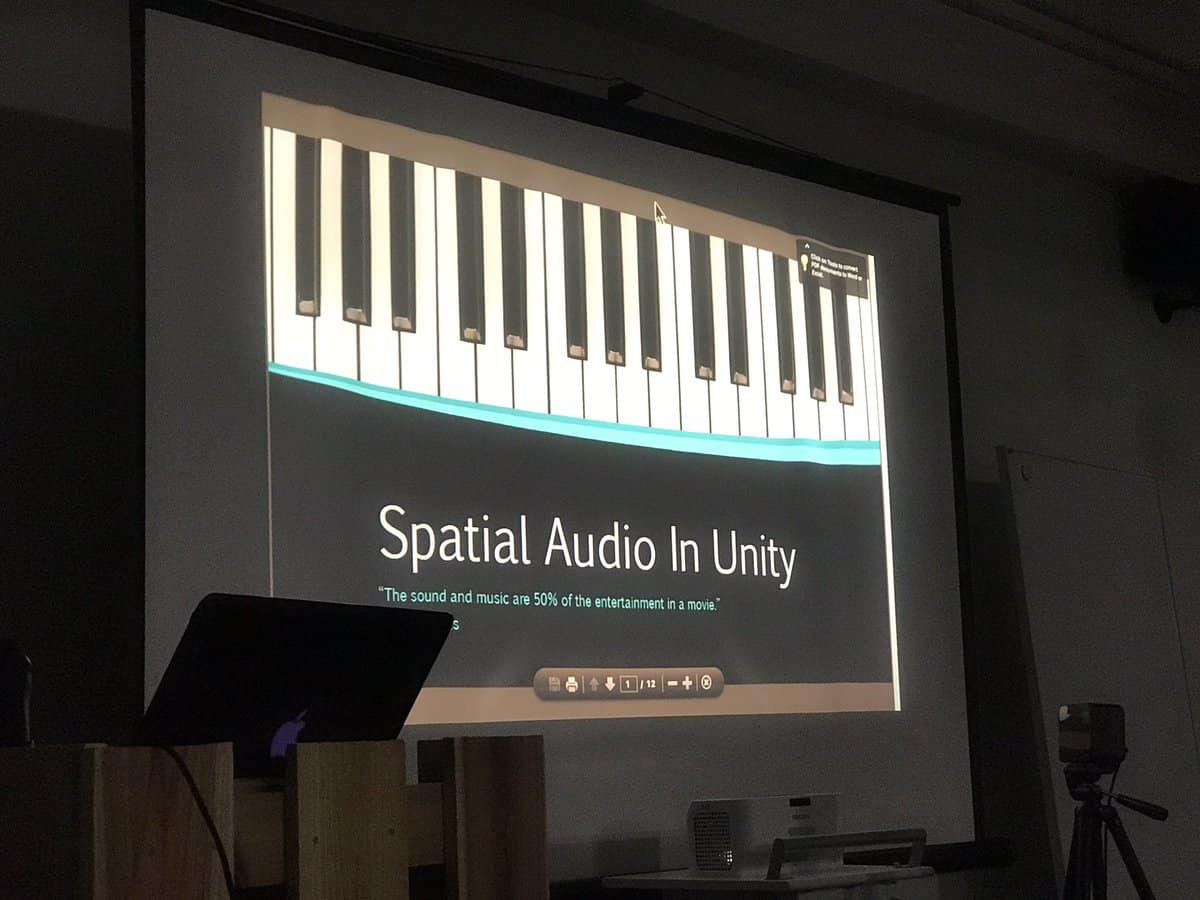
The sound and music are 50% of the entertainment in a movie. George Lucas

As it is in games, I would also say the same for emerging mediums such as VR, AR, and MX.

I’ve been working recently on a couple of projects related to a few different areas, such as:

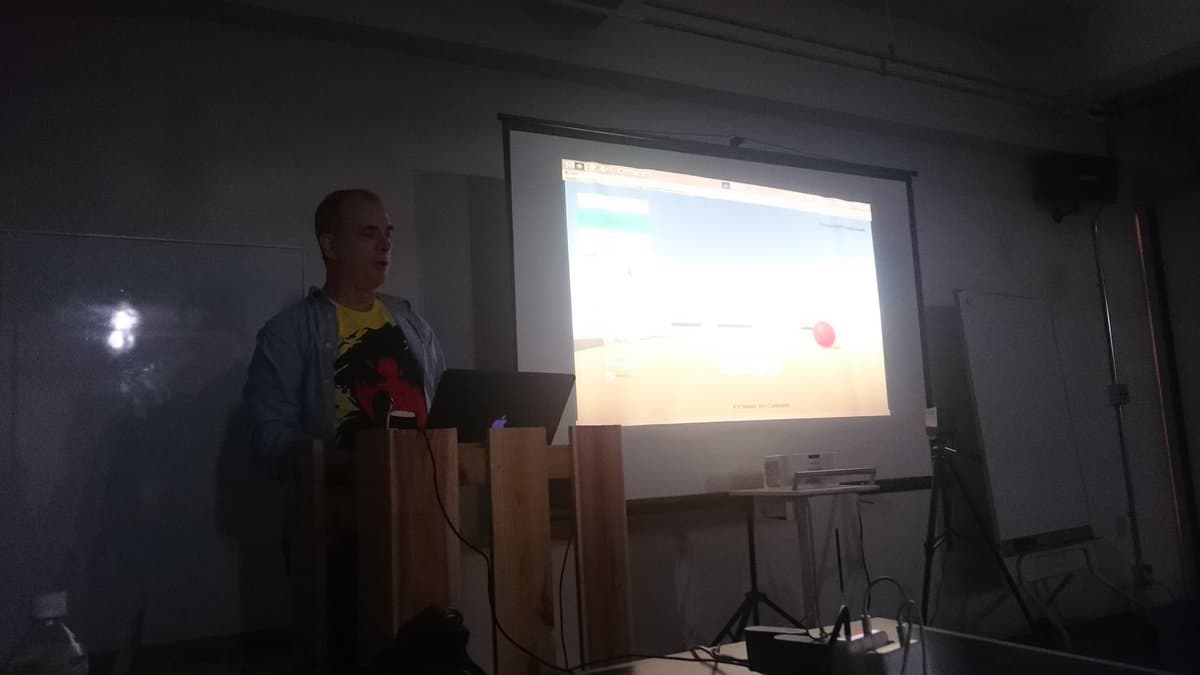
As part of this, last week I presented an introductory tutorial at the VRHubTokyo Meetup on Spatial Audio in Unity3D.

This is a really interesting area, with a lot of challenges still to be overcome.

This panel video of immersive audio experts is an excellent introduction to a lot of the issues:

We also had another Canvas Tokyo Musicians Meetup where we discussed a few of these topics, among others.

You can read the event report here: Musicians Meetup #2 Event Report – Mon 11th Sept @ Tacchi Studios

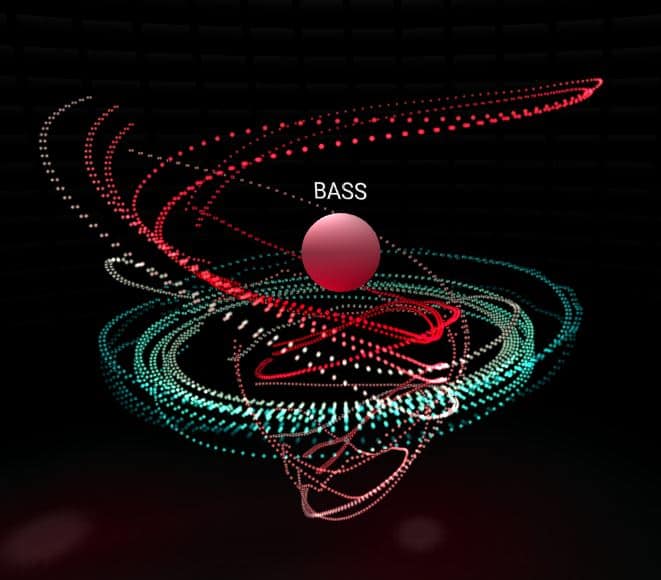
Check out the Spatial Music Visualizer which I also used to discuss a few of the issues around spatial music.

Stay tuned for more news soon!

Pin It on Pinterest